
7 Ways Online Gambling Creates a Digital Economy: Inside the Flow of Money and Data
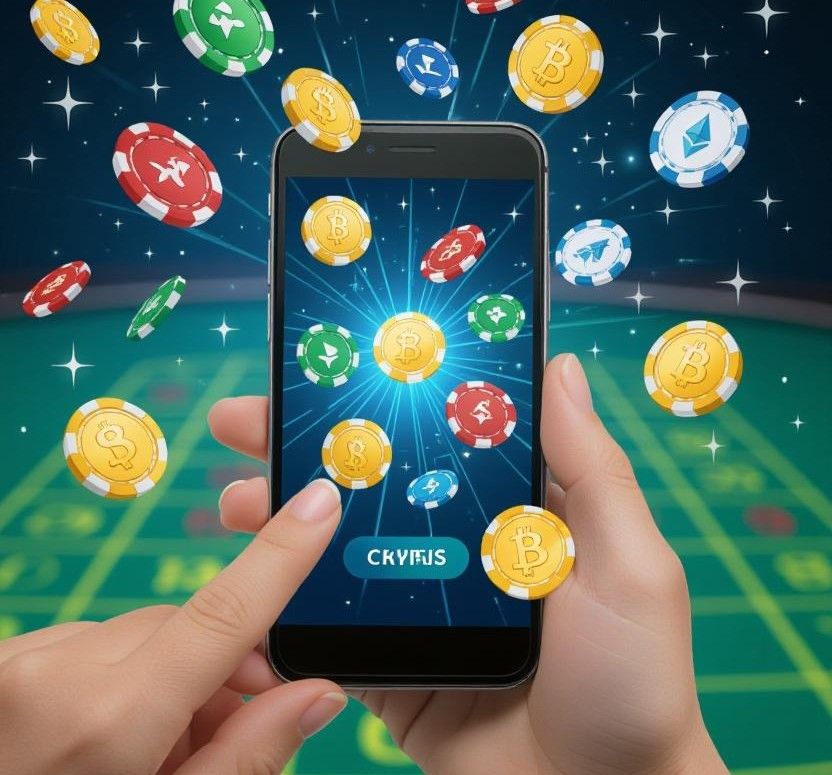
Over $90 billion moves through global online gambling systems every year. Behind those flashing reels and live dealer rooms is a complex network of transactions that power a massive digital economy. Every bet, every win, and every withdrawal fuels a constant flow of virtual money between players, platforms, and payment processors.
Platforms like Delhi Satta King show how digital betting has evolved into a financial ecosystem of its own. From virtual wallets to instant withdrawals, the modern gambling world runs on speed, transparency, and the thrill of real-time transactions. Below, we break down how this digital economy works and the seven ways money moves through it.
1. Digital Wallets: The Heart of Every Transaction
Every online gambler relies on a digital wallet. These wallets store, transfer, and convert funds instantly, connecting credit cards, e-wallets, and even cryptocurrencies to betting platforms. They reduce friction and provide the security players need to move money with confidence.
- Instant deposits and withdrawals within seconds
- Low transaction fees compared to traditional banking
- Enhanced privacy and protection of user data
2. The Bet Loop: How Money Circulates
The betting cycle is a continuous loop. A player deposits money, places a bet, wins or loses, and then reinvests or withdraws. This rapid cycle keeps platforms liquid, ensuring that funds are constantly moving between users and the house.
It’s similar to a small-scale economy, where currency is exchanged for entertainment, risk, and potential reward. The faster the flow, the stronger the ecosystem becomes.
3. Payment Gateways: The Invisible Middlemen
Payment processors are the unseen engines of gambling sites. They verify identities, authorize transactions, and protect against fraud. Without these middle layers, platforms would struggle to manage the sheer volume of daily bets. Each transaction adds to the revenue network, as platforms often charge micro-fees per transfer.
4. Cryptocurrencies and Blockchain Transparency
Cryptocurrency has changed how gambling handles trust. Blockchain ensures transparency and fairness by recording every transaction permanently. Many online casinos now accept Bitcoin, Ethereum, and other tokens, allowing players to gamble anonymously while enjoying faster processing.
This shift also reduces dependency on traditional banking systems, making global gambling more accessible to regions with limited financial infrastructure.
5. Bonus Systems and Cashback Loops
Promotions keep money circulating within platforms. Cashback offers, bonuses, and loyalty points are designed to recycle player funds. Instead of withdrawing after a win, players often reinvest these incentives, extending their engagement and the platform’s profit cycle.
“The modern gambler isn’t just playing for luck. They’re participating in a financial cycle designed to keep the economy of betting alive.”
6. Data Analytics and Spending Patterns
Every transaction tells a story. Gambling platforms use analytics to study spending behavior, detect risks, and personalize offers. These insights guide platform decisions, much like how retail companies track purchasing trends to increase sales.
By monitoring where, when, and how players spend, operators can create tailored experiences, ensuring the money flow remains steady and predictable.
7. Regulation and Taxation: The Real-World Impact
The digital gambling economy doesn’t stop online. Governments collect taxes from licensed platforms, while regulators enforce compliance to prevent money laundering. You can read more about how gambling revenues affect local economies and regional budgets in PAGCOR’s role in regional finances.
The Bigger Picture: A Living Digital Marketplace
The world of online gambling mirrors a functioning marketplace. From user deposits to government taxes, every coin moves through a structured, tech-driven cycle. Platforms like Sattaking illustrate how entertainment, finance, and technology merge to sustain an ever-expanding digital economy.
In the end, betting is more than a game of chance. It is a living digital ecosystem, where every spin, roll, or hand reflects the power of financial technology. The money may start with a click, but it flows through a network that connects millions of players worldwide.


